Reading Doris Anne Beaulieu’s Third Floor isn’t just a journey through a psychological thriller—it’s a confrontation with uncomfortable truths. There’s something deeply unsettling about the way this novel unfolds, not because it’s impossible, but because it’s all too plausible. That creeping dread you feel as Jenna uncovers the disturbing mysteries of the hospital? That’s not just suspense—it’s recognition.
If you’ve ever had a loved one in institutional care, or even found yourself at the mercy of a medical system, you know that unease. The beeping machines, the shuffling nurses, the late-night murmurs, and that strange silence that feels more oppressive than peaceful. Beaulieu captures that atmosphere with chilling precision, and then she goes further—she asks what happens when care turns into control.
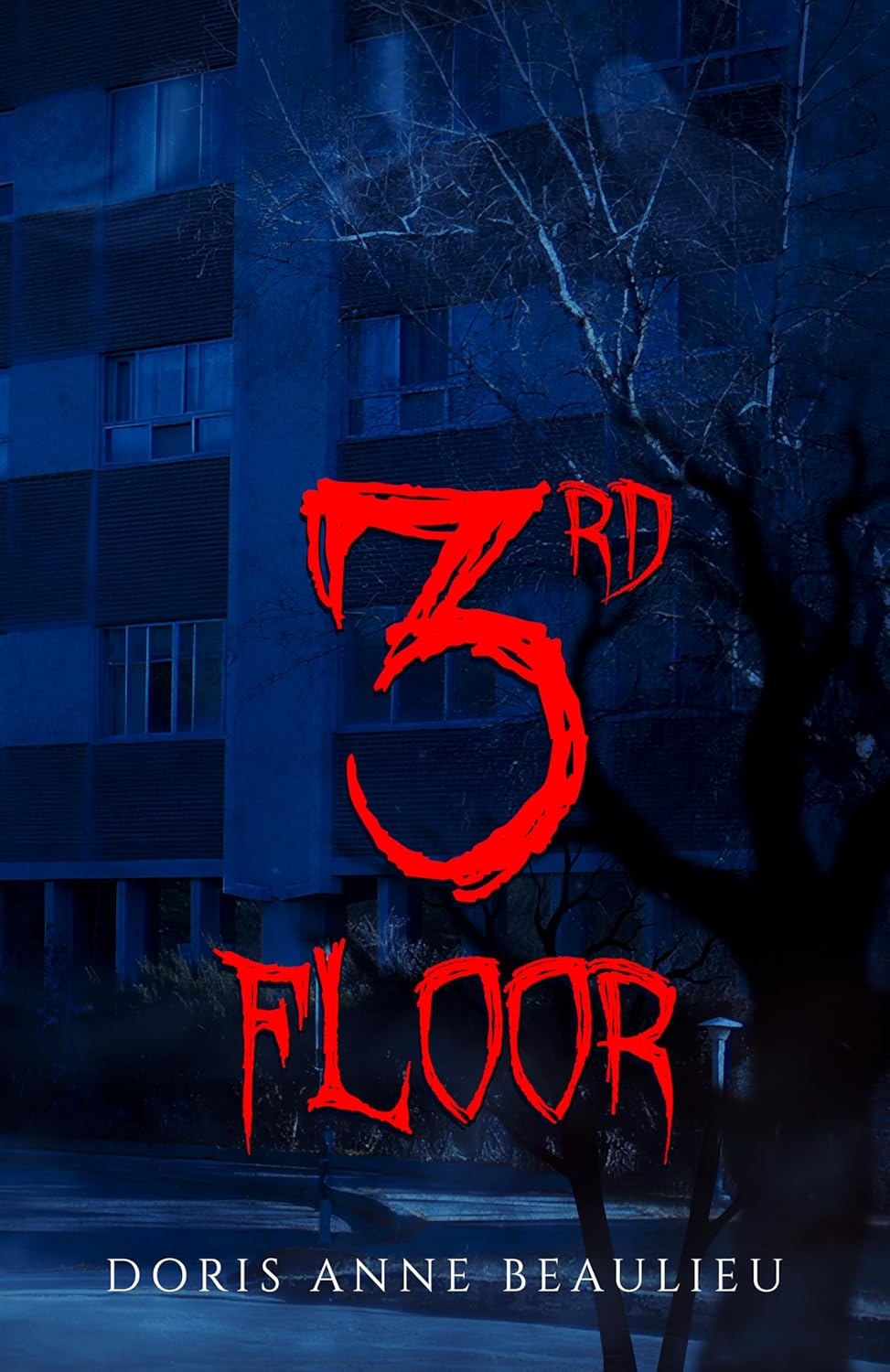
In Third Floor, we follow Jenna, a woman who begins to suspect that the hospital where she’s recovering harbors more than medical secrets. Strange nighttime visits. Missing patients. Conversations that stop when she enters the room. Beaulieu takes these eerie moments and spins them into a web that draws readers—and Jenna’s sister-in-law Anne—deeper into fear and suspicion.
But here’s where Third Floor stands out: the fear doesn’t stem from ghosts or serial killers. It comes from the system itself. It’s about powerlessness. About being a patient who isn’t heard, a sister-in-law whose concerns are dismissed, and a bystander in a machine that insists everything is “normal” even when your gut says otherwise.
That’s what makes this story so affecting. Beaulieu blurs the line between fiction and reality in a way that resonates deeply with readers who’ve lived through similar doubts. Have you ever wondered if your mother’s confusion was really dementia or a side effect of unnecessary medication? Have you questioned why a nurse brushed off your questions or why your father’s charts kept changing without explanation? Then Third Floor will feel like a mirror.
And let’s be honest—most of us don’t want to think about what might go on behind closed doors in long-term care facilities or hospital wings we’re not allowed to enter. But Beaulieu dares to make us look. She doesn’t do it with cold facts and data—she does it with characters you care about, stakes you can feel, and suspense that tightens with every chapter.
Anne’s role is crucial here. She’s not a superhero—she’s a sister-in-law doing her best. She represents all of us who’ve felt helpless yet driven to protect our loved ones. Through her, we see how love can power courage, even in the face of intimidating institutions. Her growing suspicions, her relentless pursuit of the truth—these reflect the real emotional labor so many families endure.
By the time you reach the final chapters of Third Floor, you’re no longer just reading a story. You’re feeling the weight of what it means to be vulnerable in a system that often prioritizes efficiency over empathy. Beaulieu’s writing is immersive, purposeful, and emotionally raw—because this is more than fiction. It’s a warning. It’s a call for awareness. And it’s a tribute to the families who dare to ask the hard questions.